
Chicago Car Insurance Guide
Driving in Chicago is unlike driving anywhere else in the Midwest. Anyone who has endured the bumper-to-bumper crawl of the Kennedy during rush hour, squeezed down a tight Lakeview alley, or hunted for parking in a February snowstorm knows the city tests both your patience and your vehicle.
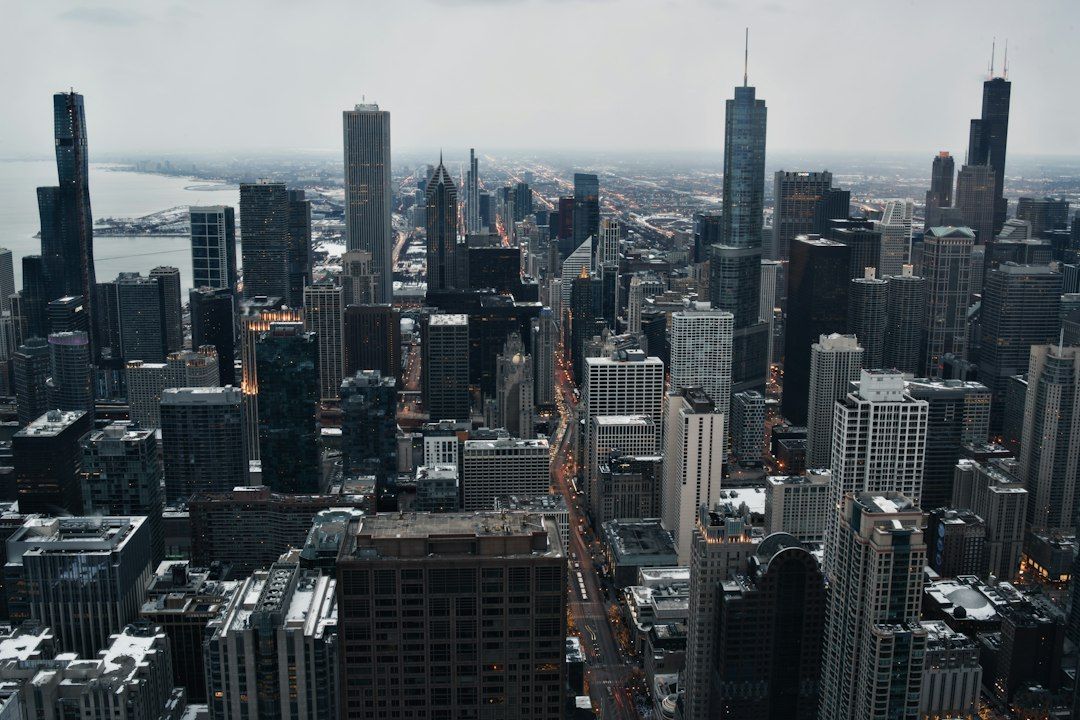
Urban Realities: Navigating Chicago Car Insurance
Driving in Chicago is unlike driving anywhere else in the Midwest. Anyone who has navigated the bumper-to-bumper crawl of the Kennedy Expressway during rush hour, squeezed down a tight residential alley in Lakeview, or searched for street parking during a February snowstorm knows that the city tests both your patience and your vehicle. According to the INRIX Global Traffic Scorecard, Chicago consistently ranks as the most traffic-congested city in the United States, with local motorists losing an average of 112 hours to traffic delays annually.
That intense congestion does not just cost you precious personal time and wasted fuel. It directly impacts your risk profile as a driver. In a metropolis characterized by tight spaces, high vehicle density, and brutal winter freeze-thaw cycles, securing the right auto coverage is not merely a legal chore. It is an essential financial shield. Navigating chicago car insurance requires looking beyond generic advice and understanding how local traffic patterns, street parking hazards, and neighborhood dynamics affect your policy needs.
At The Haley Agency, our mission is to provide educational, transparent guidance that helps drivers across Illinois and Indiana protect what matters most. Whether you are commuting from Logan Square to the Loop or adapting to city living for the first time, this guide breaks down everything you need to build dependable, value-driven protection for your vehicle.
Why Chicago Driving Demands a Unique Coverage Strategy
When people shop for car insurance in Illinois, they often assume that state-mandated coverage rules apply identically everywhere. While the statutory minimums set by the state government remain uniform from Cairo to Chicago, the physical and financial reality of operating a vehicle changes dramatically once you enter Cook County.
Cook County drivers log tens of billions of vehicle miles traveled every single year. When you pack millions of passenger cars, delivery vans, city buses, rideshare drivers, cyclists, and pedestrians onto the same grid of roads, accident frequency climbs naturally. Minor fender benders, sideswipes, and rear-end collisions happen every few minutes across the metropolitan area.
Another crucial reality for city motorists is the prevalence of uninsured motorists. Research from the Insurance Research Council indicates that more than 15% of Illinois drivers operate vehicles without any insurance coverage. In dense urban neighborhoods, that percentage can trend even higher. If an uninsured motorist rear-ends you on the Dan Ryan Expressway or sideswipes your parked vehicle in the middle of the night, your financial well-being depends entirely on how your own policy is structured.
Because urban conditions produce significantly higher claim volumes, premiums for auto insurance in Chicago reflect these elevated risk factors. Drivers who simply search for the cheapest legal rate often end up carrying baseline policies that leave them exposed to tens of thousands of dollars in out-of-pocket expenses following a routine collision. Understanding the local driving environment allows you to balance cost with genuine financial resilience. To see how these urban rates contrast with more rural or suburban regions across the state, you can explore our overview of local Illinois car insurance markets outside Chicago.
Key Urban Risks: Street Parking, Congestion, and Critical Coverages
To construct a policy that truly protects you in Chicago, you need to understand the distinct hazards your car faces every week. City driving presents specific exposures that suburban or rural drivers rarely encounter.
Street Parking Hazards and Tight Alleys
If you park on the street in neighborhoods like Pilsen, Lincoln Park, or Albany Park, your vehicle faces constant physical exposure. Street-parked cars routinely suffer broken side mirrors, scraped bumpers from parallel-parking errors, catalytic converter theft, and hit-and-run sideswipes caused by delivery vehicles or snowplows.
Alley navigation introduces further hazards. Chicago alleys are notorious for tight clearance, blind corners around garages, protruding trash receptacles, and hidden ice patches during winter.
Carrying basic liability insurance does nothing to protect your car from these incidents. Liability coverage pays solely for damage or injuries you cause to others. To protect your own vehicle while parked on city streets, two coverages are vital:
- Comprehensive Coverage: This pays for damage caused by incidents outside your direct driving control. That includes vehicle theft, vandalism, windshield cracks from flying road gravel, falling tree branches during storms, and catalytic converter removal.
- Collision Coverage: This covers repairs to your vehicle if you are involved in a crash with another automobile, an alley wall, a utility pole, or if a hit-and-run driver damages your car while it is parked outside your residence.
Why Illinois Minimum Limits Fall Dangerously Short
The state of Illinois mandates specific minimum liability limits under the Illinois Safety and Family Financial Responsibility Law:
- $25,000 for bodily injury or death of one person in an accident.
- $50,000 total for bodily injury or death of two or more people in an accident.
- $20,000 for property damage per accident. These thresholds, commonly referred to as 25/50/20 limits, are among the most dangerous traps for Chicago drivers. Consider modern repair costs. The average price of a new passenger vehicle easily exceeds $45,000. If you accidentally cause a multi-vehicle pileup on the Stevenson Expressway or slide into a luxury electric vehicle at an intersection, the property damage can exceed $20,000 within seconds.
Once your insurer pays out that $20,000 statutory limit, your policy is completely exhausted. The other drivers, their insurance carriers, and municipal agencies can pursue you personally for the remaining balance through wage garnishment or liens against your home and savings. For a closer look at these statutory baselines, read our breakdown of Illinois minimum car insurance requirements explained.
In our professional experience, responsible drivers should carry liability limits of at least 100/300/100 ($100,000 per person, $300,000 per accident for bodily injury, and $100,000 for property damage), often paired with an umbrella policy if they own real estate or significant savings.
Uninsured and Underinsured Motorist Protection
Under Illinois law, every policy that includes bodily injury liability must also include uninsured motorist bodily injury coverage matching your liability baseline. However, you should never settle for state minimums here either.
If an uninsured driver hits you, or if you are the victim of a hit-and-run pedestrian or vehicular collision, your uninsured motorist coverage steps in to pay medical bills, emergency transport, ongoing rehabilitation, and lost earnings. Underinsured motorist coverage serves a companion role. If an at-fault driver carries only the state-mandated $25,000 bodily injury limit, but your hospitalization and recovery expenses total $80,000, your underinsured motorist coverage pays the difference up to your chosen policy limit.
Potholes, Lake-Effect Weather, and Road Salt
Chicago winters are notorious for severe lake-effect snow, freezing rain, and rapid temperature swings. These cycles wreak havoc on asphalt, creating massive potholes along major corridors like Western Avenue and Lake Shore Drive.
Hitting a severe pothole can bend rims, destroy low-profile tires, snap control arms, and compromise steering alignments. In insurance terms, hitting a stationary pothole is classified as a collision claim. Before filing a claim for pothole damage, you must evaluate whether the repair cost significantly exceeds your collision deductible, as multiple collision claims can impact your future renewal rates.
Two Real-World Chicago Scenarios
To see how coverage choices function under practical pressure, consider these two everyday situations:
- The Lincoln Park Street Parker: A driver leaves their sedan parked along a narrow side street overnight. A commercial delivery van attempts to maneuver past, scraping both side doors and shearing off the driver-side mirror before leaving the scene without stopping. Because the driver carries collision coverage with a manageable $500 deductible, their insurer covers the $3,800 repair bill minus the deductible, restoring the car quickly without personal financial catastrophe.
- The I-90 Commuter: A motorist on Interstate 90 encounters sudden braking near downtown. Unable to stop on slick roads, their vehicle rear-ends an SUV, which in turn hits a newer hybrid sedan. Total vehicle repair costs for the two other cars reach $52,000. Because the driver opted for a full-protection policy with a $100,000 property damage limit instead of the $20,000 state minimum, the insurance company covers the entire loss, shielding the driver's personal bank accounts from collection lawsuits.
Practical Guidance for Shopping and Comparing Car Insurance Quotes in Chicago, IL
When consumers look for car insurance quotes in chicago il, they often encounter significant price swings from one insurer to another. That variation occurs because insurance carriers analyze local risk data using proprietary formulas. Knowing how these factors interact helps you secure high-quality protection without paying unnecessary premiums.
How Location Dictates Pricing Within the City
Your address plays a prominent role in your rate calculation. Insurers evaluate risk down to your specific five-digit ZIP code and street territory. A vehicle kept in a secure, private garage in Norwood Park or Beverly typically generates lower loss predictions than a car parked on an exposed street in River North or the West Loop.
Carriers examine localized data regarding:
- Rates of vehicle break-ins and stolen property within that postal code.
- Historical frequency of traffic accidents at nearby intersections.
- Proximity to major expressway interchanges.
- Density of uninsured driver claims in that neighborhood. This is why moving just two miles across city lines or switching from street parking to a dedicated off-street space can materially alter your monthly premium.
Finding Value Without Buying a Stripped-Down Policy
Every driver wants to manage their monthly expenses, but choosing coverage solely on price is one of the costliest mistakes you can make. When evaluating chicago il car insurance, focus on overall value rather than the cheapest initial number.
Low-cost carriers often achieve their pricing by removing critical protections, imposing massive deductibles, utilizing restrictive repair network clauses, or providing subpar claims assistance when an accident occurs. If you want to understand how different coverage components influence pricing dynamics, take time to review our analysis of cheap car insurance in Illinois and what really affects price.
To legitimately reduce your auto insurance costs in Chicago without gutting your coverage, consider these proven strategies:
- Right-Size Your Deductibles: Raising your collision and comprehensive deductibles from $250 to $500 or $1,000 can reduce your annual premium substantially. Just make certain you maintain that deductible amount in an accessible emergency fund.
- Commuting Adjustments: If you take the CTA train or Metra commuter rail to work during the week and only drive on weekends or for errands, inform your agent. Reclassifying your vehicle from a daily commuter to pleasure use lowers your annual mileage bracket, which typically triggers a rate reduction.
- Telematics and Safe Driver Programs: Many reputable carriers offer mobile apps or plug-in devices that track your braking, speed, and night driving habits. Safe city drivers who avoid aggressive maneuvers can earn double-digit percentage discounts.
- Multi-Policy Bundling: Combining your auto coverage with your renters, condo, or homeowners policy remains one of the most effective ways to lower your overall bill. We frequently show clients how bundling through our personal insurance services creates significant combined savings across all their household policies.
- Vehicle Choice: High-theft models and high-performance sport sedans carry steep insurance premiums in the city. Practical vehicles equipped with modern anti-theft immobilizers and advanced driver-assistance features earn better risk ratings. If you have past infractions, lapses in prior coverage, or need state filings, you can also read our specialized guide on Chicago car insurance costs, quotes, and SR-22 decisions.
Navigating City Regulations, Winter Bans, and Post-Accident Realities
Owning a car in Chicago involves unique municipal regulations and practical procedures that directly intersect with vehicle ownership and insurance management.
The City Vehicle Sticker Requirement
Every Chicago resident who owns or regularly operates a motor vehicle within the city limits is legally required to purchase and display a Chicago City Vehicle Sticker through the Office of the City Clerk. Failure to obtain a sticker results in steep municipal tickets that can quickly compound.
While city vehicle sticker enforcement is separate from insurance regulation, unresolved municipal tickets can eventually lead to vehicle immobilization boots, driver license suspensions, and vehicle impoundment. Any suspension on your driving record will subsequently drive up your rates for auto insurance in illinois during future policy reviews.
Winter Parking Restrictions and Street Sweeping
Chicago enforces strict seasonal parking regulations to keep transit corridors moving:
- The Winter Overnight Parking Ban: Enforced annually from December 1 through April 1 between 3:00 a.m. and 7:00 a.m. on 107 miles of vital arterial streets, regardless of whether snow is falling.
- The 2-Inch Snow Rule: Restricts parking on another 500 miles of main streets whenever snowfall exceeds two inches. Parking illegally during these periods results in immediate towing by the Department of Streets and Sanitation. Retrieving a car from city auto pounds involves hefty towing, storage, and citation fees. Furthermore, vehicles towed during heavy storms face an elevated risk of bumper or undercarriage damage from quick hookups on icy streets.
Steps to Take After an Accident in Chicago
If you are involved in a traffic collision within city limits, staying organized and calm protects both your physical safety and your insurance rights:
- Check for Injuries and Secure the Scene: Move vehicles out of active traffic lanes if drivable, turn on hazard lights, and ensure everyone is safe.
- Call Emergency Services: If anyone is injured or vehicles cannot be moved, dial 911 immediately.
- Understand Police Response Protocols: In minor, non-injury accidents where both cars are drivable, Chicago Police may instruct drivers to exchange information and complete a traffic crash desk report at the nearest police district station rather than dispatching a patrol unit to the scene. Always obtain the other driver's full name, telephone number, residential address, driver license number, license plate, insurer name, and exact policy number.
- Document the Scene Thoroughly: Take clear, well-lit photos and videos of all vehicle damage, license plates, the surrounding intersection, street signs, weather conditions, and skid marks.
- Notify Your Insurance Agent Promptly: Contact your agency as soon as possible. Providing complete documentation right away allows your claims team to advocate effectively on your behalf and coordinate inspections or rental vehicles.
Protecting Your Vehicle and Your Financial Future in Chicago
Living and driving in Chicago offers incredible cultural energy, world-class neighborhoods, and everyday urban convenience. However, the realities of city traffic, street parking congestion, uninsured motorists, and unpredictable weather mean you cannot afford to leave your automotive protection to chance.
Carrying the statutory state minimums may satisfy legal requirements on paper, but it leaves your personal assets vulnerable in the event of a significant incident. True peace of mind comes from designing a tailored policy that pairs realistic liability limits with comprehensive and collision coverages, robust uninsured motorist limits, and available multi-policy discounts. By taking a proactive, informed approach to your coverage, you can drive Chicago's streets, expressways, and boulevards knowing you are fully protected.
The Haley Agency
Ready to protect what you’ve built with coverage that actually fits? Contact The Haley Agency today to schedule a personalized policy review for your home, auto, life, or business insurance across Illinois and Indiana. As an independent agency founded by Joshua Haley, we believe that education, transparency, and personal relationships are the foundation of great insurance. We do not offer one-size-fits-all policies. Instead, we take the time to evaluate your unique vehicle use, neighborhood risks, and family budget to find dependable protection from trusted carriers. If you want to compare your current rates or explore options for a new vehicle, connect with our team online to get started with a customized quote today.
By Joshua Haley & Team