
Local Illinois Car Insurance Markets Outside Chicago
Illinois is home to millions of licensed drivers, a massive network of interstate highways, and diverse local economies. Yet when auto coverage comes up, public conversation often centers on traffic patterns and statistics in the immediate Chicago metro area. Driving realities change drastically the moment you leave the city limits.
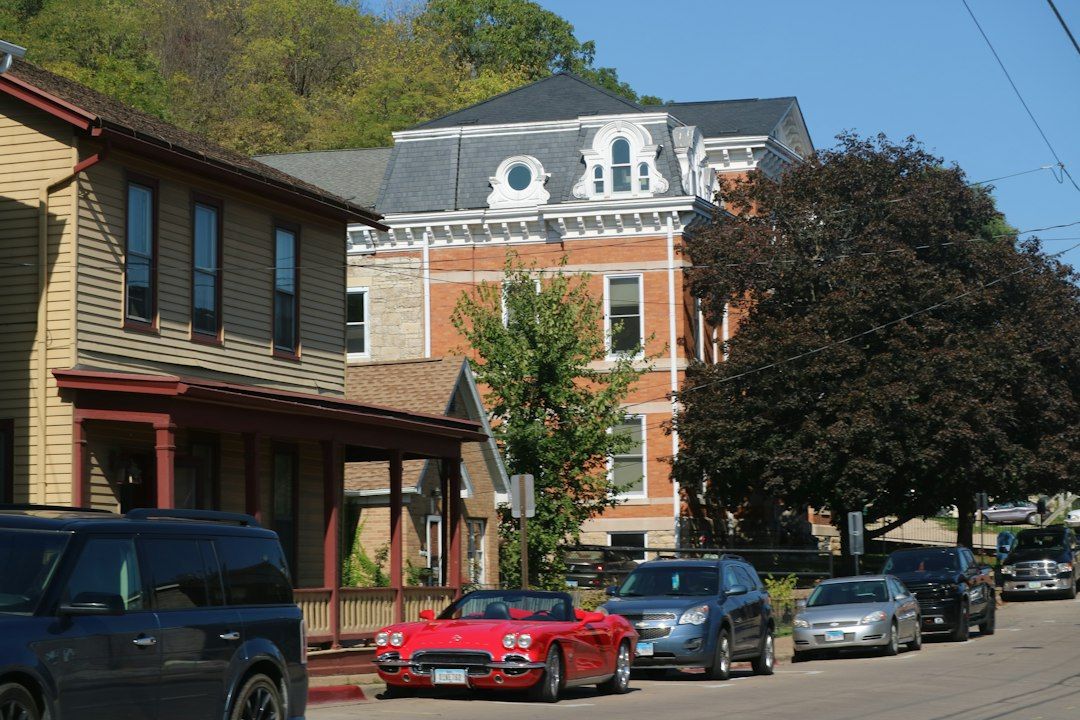
Beyond the Big City: Navigating Illinois Auto Protection
Illinois is home to millions of licensed drivers, a massive network of interstate highways, and diverse local economies. Yet, when the topic of auto coverage comes up, much of the public conversation centers on the traffic patterns and statistics of the immediate Chicago metropolitan area. As experienced insurance professionals deeply rooted in the Midwest, we know that a generic, one size fits all approach simply does not work for the rest of the state. Driving realities change drastically the moment you leave the city limits.
Whether you are commuting past vast agricultural fields or navigating the busy suburban sprawl of a mid sized regional hub, the risks you face on the road are distinctly yours. As an independent agency, we recognize that evaluating your auto policy requires local context. This guide organizes city specific considerations across our great state so you can effectively compare quote factors, understand coverage choices, and approach the shopping process with confidence in your own hometown.
Why Your Local Market Changes Your Premium
Auto insurance carriers evaluate risk through a highly localized lens. Your home ZIP code tells a story about your daily driving environment, and insurance companies use years of actuarial data to determine the likelihood of a claim occurring in your specific area. Understanding these geographical rating factors is the first step to making sense of your auto premiums.
The insurance industry has experienced significant shifts in 2025 and 2026. While supply chain disruptions have largely stabilized, the cost of repairing modern vehicles remains at historic highs. Today's cars are essentially rolling computers. Advanced Driver Assistance Systems, including backup cameras, lane departure sensors, and automatic emergency braking radars, are embedded into bumpers and windshields. A minor fender bender that might have cost a few hundred dollars a decade ago can now easily result in thousands of dollars in recalibration and specialized labor.
Because vehicle repair costs are universally high, insurance carriers look closely at the frequency of accidents in your localized area to set their rates. Your premium is heavily influenced by variables such as:
- Traffic density and the frequency of rush hour congestion in your county.
- Local weather patterns, including the prevalence of severe hail storms, high winds, or deep freeze cycles that degrade road surfaces.
- Regional rates of vehicle theft, vandalism, and catalytic converter theft.
- The specific types of roads you drive on daily, contrasting the high speed merging of major tollways with the unpredictable nature of rural two lane highways.
- The average cost of medical care and bodily injury claims specific to your local healthcare market. If you live in a regional hub outside of Chicago, you face a unique blend of urban traffic density and rural exposure. You might commute alongside heavy commercial vehicles on the interstate while also dealing with significant wildlife activity near your neighborhood. By taking a closer look at our expert history and approach, you will see why we believe evaluating these localized variables is crucial for securing the right protection.
Key Regional Markets and Their Unique Driving Factors
To illustrate how local geography impacts your protection strategy, we can examine several major regional markets across Illinois. Each of these cities has its own economic drivers, traffic bottlenecks, and environmental hazards that influence how policies should be structured.
The Northern Corridors and Fox River Valley
The northern and western suburbs and exurbs blend historic downtowns with rapid residential expansion. Drivers here frequently commute long distances, making reliable coverage an absolute necessity.
Aurora As the second most populous city in the state, Aurora features a complex mix of historic urban neighborhoods, sprawling suburban subdivisions, and a massive high tech commercial corridor along the I-88 Tollway. Commuters in this area deal with heavy daily traffic volumes, increasing the statistical likelihood of rear end collisions and multi vehicle accidents. When you are evaluating the market for car insurance in aurora il, it is incredibly important to look beyond basic liability. Multi car families are common here, meaning there are excellent opportunities to bundle policies and secure multi vehicle discounts. Additionally, with the high volume of newer, tech heavy vehicles on Aurora roads, robust property damage liability limits are essential to protect your assets if you are found at fault in a collision.
Elgin Nestled in the Fox River Valley, Elgin has seen substantial growth, pushing residential developments closer to rural environments. Drivers here utilize the Route 20 bypass and the I-90 tollway heavily. One of the unique risks in the Elgin area and surrounding Kane County is the high population of deer. Animal collisions peak during the fall months, and these incidents fall under comprehensive coverage rather than collision coverage. If you are comparing quotes for car insurance in elgin il, you must verify that your comprehensive deductible is set at a manageable level. Paying out of pocket for a smashed front end and deployed airbags due to a deer strike is a financial burden you can easily avoid with the right policy structure.
Waukegan Located on the shores of Lake Michigan in Lake County, Waukegan presents distinct environmental challenges. Drivers here face notoriously difficult winter driving conditions, heavily influenced by lake effect snow, sudden ice storms, and freezing fog. The commute often involves navigating Route 41 or the I-94 corridor, carrying heavy traffic heading south to Chicago or north toward Wisconsin. Anyone shopping for car insurance in waukegan il needs to prioritize comprehensive and collision coverage to handle winter weather related accidents. Furthermore, reliable emergency roadside assistance coverage is highly recommended in this market, as being stranded in freezing lakefront temperatures is both dangerous and stressful.
Central Hubs and Western Routes
Moving away from the immediate northern exurbs, the central and western hubs of Illinois feature strong industrial economies, major logistics corridors, and unique commuter habits.
Rockford Rockford is a major manufacturing and industrial center in Winnebago County, anchored by the junction of I-39 and I-90. The local economy relies heavily on commercial transport, meaning everyday drivers share the road with a high volume of delivery fleets and semi trucks. Rockford also experiences harsh winter weather and significant spring thaw cycles that lead to severe pothole formation, which can cause sudden suspension damage. When looking into car insurance rockford il, it is wise to discuss uninsured and underinsured motorist limits in detail. If you are involved in a collision with an underinsured driver or an out of state commercial vehicle with complex liability limits, your own policy needs to step in to cover your medical expenses and property damage seamlessly.
Joliet Positioned at the intersection of I-80 and I-55, Joliet is home to some of the largest inland ports and logistics centers in the country. The sheer volume of 18-wheelers, massive warehouse facilities, and continuous freight traffic make driving in Will County a high stakes endeavor. Passenger vehicles are dwarfed by commercial traffic on a daily basis. Securing appropriate car insurance in joliet requires a serious conversation about bodily injury and property damage liability limits. The state minimum requirements are vastly insufficient if you are involved in a major incident on these heavy freight corridors. Drivers here should also strongly consider an umbrella policy for an extra layer of liability protection above and beyond their standard auto limits.
Springfield As the state capital, Springfield operates on a slightly different rhythm. The local economy is heavily driven by state government operations, healthcare, and surrounding agriculture. Many residents have highly predictable, shorter daily commutes down the I-55 corridor or local state routes. Because traffic patterns here are generally less volatile than in the massive logistics hubs, people shopping for car insurance in springfield il often have excellent opportunities to capitalize on low mileage discounts. If your daily commute is brief, utilizing a telematics program or a usage based insurance app can accurately reflect your lower risk profile and lead to substantial premium savings over time.
Navigating Coverage Choices in Downstate and Regional Markets
Understanding your local market is only half the equation. You also need to understand the individual building blocks of a personal auto policy. Many drivers mistakenly believe that having "full coverage" means they are protected against any possible scenario. In reality, "full coverage" is an industry buzzword that generally just means you carry both comprehensive and collision on top of your liability requirements. It says nothing about the actual limits of your protection.
For a deeper dive into the specific legal requirements and general guidelines of the state, we highly recommend reading our comprehensive Illinois Car Insurance Guide. However, regardless of which city you call home, there are several key coverages you should review closely.
Bodily Injury and Property Damage Liability Liability coverage pays for the damage and injuries you cause to others. Illinois law requires drivers to carry minimum liability limits of $25,000 for bodily injury per person, $50,000 for bodily injury per accident, and $20,000 for property damage. In the modern driving landscape, these minimums are dangerously low. If you cause a multi car pileup on a busy interstate, or if you total a brand new luxury SUV, $20,000 in property damage will not even come close to covering the bill. The remaining balance becomes your personal financial responsibility. We strongly recommend significantly higher limits to protect your savings, home, and future wages.
Uninsured and Underinsured Motorist Coverage Despite state laws requiring insurance, a surprising percentage of drivers on Illinois roads are either completely uninsured or carry only the bare minimum limits. If one of these drivers hits you and causes severe injuries, your Uninsured Motorist Bodily Injury coverage steps in to pay for your medical bills, lost wages, and pain and suffering. Given the rising costs of emergency room visits and physical therapy, matching these limits to your own bodily injury liability limits is a critical best practice.
Medical Payments Coverage Also known as MedPay, this coverage handles immediate medical expenses for you and your passengers after an accident, regardless of who was at fault. It is incredibly useful for covering health insurance deductibles, ambulance rides, or initial hospital co-pays without having to wait for a lengthy legal settlement.
Comprehensive and Collision These physical damage coverages protect your own vehicle. Collision covers impact with another vehicle or a stationary object, while comprehensive covers incidents outside of your control, such as theft, vandalism, hail damage, or hitting an animal. Selecting the right deductible is a balancing act between your monthly premium and the amount of cash you have readily available in an emergency.
How to Compare Quote Factors Effectively
When it is time to renew your policy or shop for better rates, looking solely at the bottom line premium is a common mistake. Two policies with the exact same monthly cost can offer drastically different levels of protection. To ensure you are getting genuine value for your hard earned money, you need a systematic approach to comparing quotes.
First, always verify that the coverage limits and deductibles are identical across all the quotes you are reviewing. A direct writer might present a shockingly low premium online, but upon closer inspection, you may find they have defaulted to state minimum liability limits and a $2,500 deductible. Comparing these apples to oranges will leave you severely underinsured.
Second, inquire about how different carriers treat bundled policies. Most companies offer substantial discounts if you combine your auto protection with your homeowners or renters policy. Evaluating your complete portfolio of Personal Insurance at the same time is the most effective way to uncover structural discounts. Carrier A might have a slightly higher auto rate but an incredibly competitive home rate, making them the best overall choice for your household.
Third, ask about technological discounts and telematics. Many modern carriers offer programs that monitor your driving habits through a smartphone app or a plug in device. If you are a safe driver who avoids hard braking, rapid acceleration, and late night driving, these programs can yield double digit percentage discounts upon renewal. This is especially beneficial for drivers in cities with predictable commutes.
Finally, consider the claims handling reputation and the customer service model of the carrier. If you suffer a major accident, the last thing you want is to be routed through an endless automated phone tree at a national call center. Working with a dedicated independent agency gives you a distinct advantage. Because we represent multiple highly rated insurance carriers, we can do the comparative shopping on your behalf. We know which companies have local adjusters in your specific region and which ones have a proven track record of paying claims fairly and promptly. For more insight into the value of professional guidance, review our thoughts on Choosing an Insurance Agency in Illinois and Indiana.
Conclusion
Illinois is a diverse state, and the auto insurance market reflects that complexity. The risks faced by a driver commuting through the dense logistics corridors of Joliet are vastly different from the environmental hazards navigated by a resident dealing with lake effect snow in Waukegan. Generic, statewide averages offer little practical value when it comes time to protect your personal assets and your family's financial future.
By understanding the unique geographical factors of your local market, reviewing your coverage limits honestly, and looking beyond state minimum requirements, you can build a resilient auto policy. Whether you are insuring a daily commuter vehicle, a heavy duty pickup, or a newly licensed teen driver, local expertise makes all the difference in finding true value.
The Haley Agency
Navigating the nuances of local insurance markets requires a professional partner who understands your community. We believe in providing personalized, transparent guidance rather than generic online quotes. Our goal is to educate our clients so they can make informed choices about the protection that surrounds their daily lives.
Ready to protect what you've built with coverage that actually fits? Contact The Haley Agency today to schedule a personalized policy review for your home, auto, life, or business insurance across Illinois and Indiana. Our dedicated team is here to listen to your unique needs, compare the best options from top rated carriers, and design a tailored solution just for you. Reach out through our Contact page to start the conversation and experience the difference of truly client focused service.
By Joshua Haley & Team