
Indiana Homeowners, Condo, and Property Insurance Choices
As an insurance agency owner serving clients across the Midwest, I frequently speak with property owners who are surprised by how quickly the property insurance landscape is shifting. Whether you are buying your first house in Evansville or upgrading to a condo in downtown Indianapolis, understanding your coverage options has never been more important.
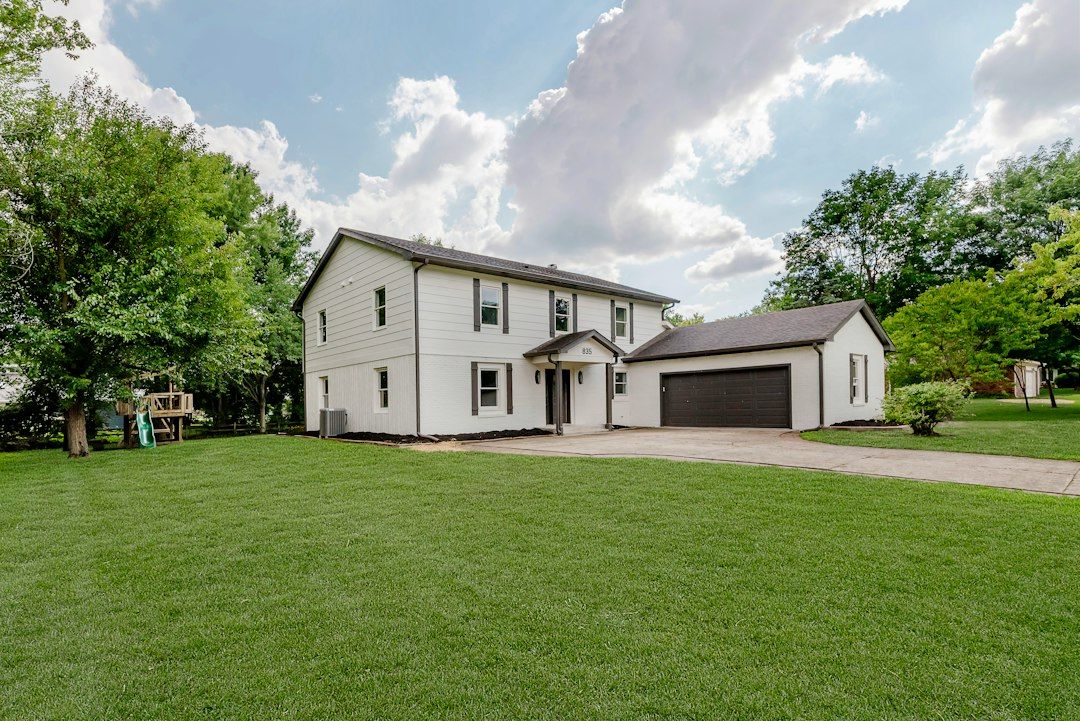
Protecting Your Hoosier State Property
As an insurance agency owner serving clients across the Midwest, I frequently speak with property owners who are surprised by how quickly the property insurance landscape is shifting. Whether you are buying your first house in Evansville or upgrading to a condo in downtown Indianapolis, understanding your coverage options has never been more important.
In recent years, we have seen unexpected weather patterns and rising inflation reshape the cost of protecting our homes. But finding reliable coverage does not have to be an overwhelming process. This guide is designed to help Indiana property owners confidently compare policies, understand specific cost drivers, and make informed choices before quoting or switching providers. We will explore everything from city specific considerations to the nuances of condo coverage, ensuring you have the exact insights needed to protect what you have built.
An Overview of the Indiana Property Insurance Landscape
When you look at the broader picture, Indiana has historically enjoyed property insurance rates that sit comfortably below the national average. However, the gap is narrowing. If you have noticed an uptick in your premium recently, you are certainly not alone. Between climbing inflation and changing weather patterns, the local market is undergoing significant adjustments.
For instance, data from recent years shows that Indiana experienced a highly unusual spike in severe weather, including double the typical annual average of tornadoes. These severe storms bring hail and high winds, which directly impact the frequency and severity of roof damage claims. When insurance carriers pay out more claims for wind and hail, they must adjust their rates statewide to maintain their ability to protect all policyholders.
Beyond the weather, rising construction costs are a primary driver behind changing Indiana homeowners insurance rates. The cost of labor and materials has surged. Recent industry data shows that local construction costs can run between $130 and $170 per square foot, with labor accounting for a massive portion of that total budget. When the cost to rebuild a home increases, your dwelling coverage limit must increase to keep pace. This directly influences the premium you pay.
Despite these challenges, navigating the market is entirely manageable when you understand exactly what you are paying for. Educating yourself on the differences between policy types is the first step toward securing true value. I always encourage clients to explore our comprehensive Indiana home insurance guide to build a solid foundation of knowledge before diving into the specific numbers.
Homeowners vs. Indiana Condo Insurance: Understanding the Differences
One of the most common points of confusion for property buyers is the difference between a standard homeowners policy and a condo insurance policy. While both fall under the umbrella of personal insurance coverage, their structures are fundamentally different.
If you purchase a single family home, you will typically need a standard homeowners policy, often referred to as an HO-3 policy. This covers the entire structure of the home, your personal belongings, liability protection, and additional living expenses if a covered peril forces you to temporarily move out. Because you own the building and the land it sits on, you are fully responsible for insuring the exterior, the roof, and all detached structures like garages or fences.
On the other hand, Indiana condo insurance, known as an HO-6 policy, operates on a completely different framework. When you buy a condo, you are usually part of a Homeowners Association. The association carries a master insurance policy that covers the building exterior, the roof, and common areas like hallways or community pools. Your personal condo policy is only responsible for what is referred to as "walls in" coverage. This includes your interior walls, fixtures, flooring, cabinets, and all of your personal belongings.
Because you are only insuring the interior of your unit and your personal property, condo insurance is generally much more affordable than standard home insurance. However, you must carefully review the master policy of your specific association. Some master policies cover original fixtures and appliances, meaning you only need to insure your personal upgrades and belongings. Other master policies offer "bare walls" coverage, which means you are entirely responsible for everything from the drywall inward.
Additionally, condo owners must consider Loss Assessment coverage. If a severe storm damages the complex roof and the master policy falls short of the repair costs, the association may levy an assessment against every unit owner to make up the difference. A robust condo policy will step in to cover this assessment, preventing a massive out of pocket expense. Failing to understand these distinctions is a major pitfall, and as your local agents, we work closely with you to ensure your condo policy perfectly aligns with your association agreements.
Breaking Down Homeowners Insurance Cost in Indiana
Pricing out a policy is rarely a one size fits all scenario. Because every property and every family is unique, the average home insurance cost in Indiana can vary significantly from one household to the next.
Currently, industry reports place the average cost of homeowners insurance in Indiana roughly between $1,600 and $3,100 per year for a standard policy with around $300,000 in dwelling coverage. Why is there such a massive range? The answer lies in the specific variables that make up your individual risk profile.
First and foremost is location. The homeowners insurance cost in Indiana fluctuates dramatically depending on the city or county you call home. Areas like Southport and certain parts of Indianapolis tend to see higher premiums. This is partly due to urban density, which can increase the risk of property crime, but also due to wind patterns across central Indiana that leave homes more vulnerable to severe storm damage. Conversely, smaller towns in northeastern Indiana often boast some of the lowest average rates in the state.
Beyond your zip code, several physical characteristics of your property will dictate your final premium:
- Age and Condition of the Roof: Your roof is your home's primary defense against the elements. A brand new architectural shingle roof will almost always secure a better rate than a roof approaching the end of its lifespan.
- Construction Materials: Masonry and brick homes are generally more resistant to fire and wind than frame homes, which can positively impact your pricing.
- Distance to a Fire Department: Homes located close to a fire station and a fire hydrant receive more favorable ratings because emergency response times are drastically reduced.
- Attractive Nuisances: Features like swimming pools, trampolines, or certain dog breeds increase your liability risk, which will invariably raise your premium. It is also worth noting that your personal claims history plays a major role. Carriers look favorably upon clients with a clean history. Filing multiple small claims within a five year period signals a higher risk to insurers, which can lead to substantial rate increases or even policy non-renewal.
Insights: How to Secure the Best Homeowners Insurance in Indiana
Knowing the factors that drive costs is only half the battle. The real value comes from leveraging that knowledge to build a policy that offers robust protection without draining your wallet. Finding the best homeowners insurance in Indiana requires a strategic approach rather than simply clicking the lowest quote you see online.
My number one recommendation is to accurately assess your dwelling coverage. Many homeowners mistakenly believe they should insure their home for its current real estate market value. In reality, your dwelling coverage should strictly reflect the cost to rebuild the home from the ground up using modern materials and labor. Market value includes the price of the land and is heavily influenced by real estate trends. Rebuild cost is purely about construction. Overinsuring based on market value means you are paying for coverage you can never use, while underinsuring leaves you dangerously exposed in the event of a total loss.
Another powerful strategy is optimizing your deductibles. Your deductible is the amount you agree to pay out of pocket before your insurance coverage kicks in. Raising your deductible from $1,000 to $2,500 can yield significant annual savings on your premium. However, I always advise my clients to keep those deductible funds easily accessible in an emergency savings account. A high deductible only makes sense if you can comfortably afford to pay it on short notice.
You should also look closely at valuable endorsements that are frequently overlooked. In the Midwest, water backup coverage is essential. Standard home policies do not cover damage caused by a failed sump pump or a backed up sewer line, which are common issues in Indiana basements. Adding this endorsement costs a fraction of what a flooded basement repair would run. Similarly, service line coverage protects the expensive underground utility lines running from the street to your house, which you own and are responsible for repairing if they collapse.
Do not overlook the power of proactive home maintenance and strategic policy bundling. Installing smart home security systems, upgrading old electrical panels, and adding water leak detection devices can unlock substantial discounts. For an in depth look at how these strategies work together, I recommend reviewing our thoughts on Indiana home insurance rates, calculators, and bundling decisions.
The Importance of Working with a Local Expert
When you shop for insurance on your own, you are often limited to comparing generic numbers on a screen. But insurance is a legal contract designed to protect your most valuable financial asset, and the nuances of that contract matter immensely.
Working with an independent insurance agency provides a distinct advantage. We live and work in the same communities you do. We understand the local weather risks, the typical construction styles of Midwestern homes, and the specific concerns facing our region. More importantly, we have the ability to evaluate multiple carriers on your behalf. If one carrier suddenly raises rates in your zip code, we can seamlessly transition you to another reputable company that offers a better fit.
We also assist property owners who operate small enterprises out of their residences. Standard home policies exclude most business related liabilities. If you run a company from your home office, we can guide you toward proper business insurance policies to close those dangerous coverage gaps.
Ultimately, your peace of mind depends on knowing exactly who to call when a tree falls on your garage at two in the morning. Having a trusted local advisor means you never have to navigate a complex claims process alone. If you are currently evaluating your options, take a moment to read our guide on choosing an insurance agency in Illinois and Indiana to understand the full value of a dedicated local partnership.
Moving Forward with Confidence
Your home is the foundation of your family's financial security. Whether you are navigating the specifics of a condo association master policy or calculating the exact replacement cost of a historic property, taking the time to understand your coverage ensures that your investment is fully shielded against the unexpected.
While the Indiana insurance market is currently experiencing rising costs due to inflation and weather trends, proactive homeowners still have plenty of tools at their disposal to secure affordable, high quality protection. By focusing on smart maintenance, optimal deductibles, correct valuations, and localized expertise, you can weather any storm that comes your way.
The Haley Agency
Ready to protect what you have built with coverage that actually fits? Contact The Haley Agency today to schedule a personalized policy review for your home, auto, life, or business insurance across Illinois and Indiana. Our independent agency is committed to excellence, transparency, and educating our clients so you never have to second guess your coverage. Reach out and partner with a team that values your long term trust and works tirelessly to find the perfect insurance solutions for your unique lifestyle.
By Joshua Haley & Team