
Indiana Farm Insurance Basics for Rural Property and Operations
Farming is not just a business; it is a demanding way of life that requires early mornings, late nights, and an incredible amount of resilience. According to 2025 data from the USDA, Indiana is home to roughly 51,500 farms spanning approximately 14.5 million acres, powered by real families and operations of every size.
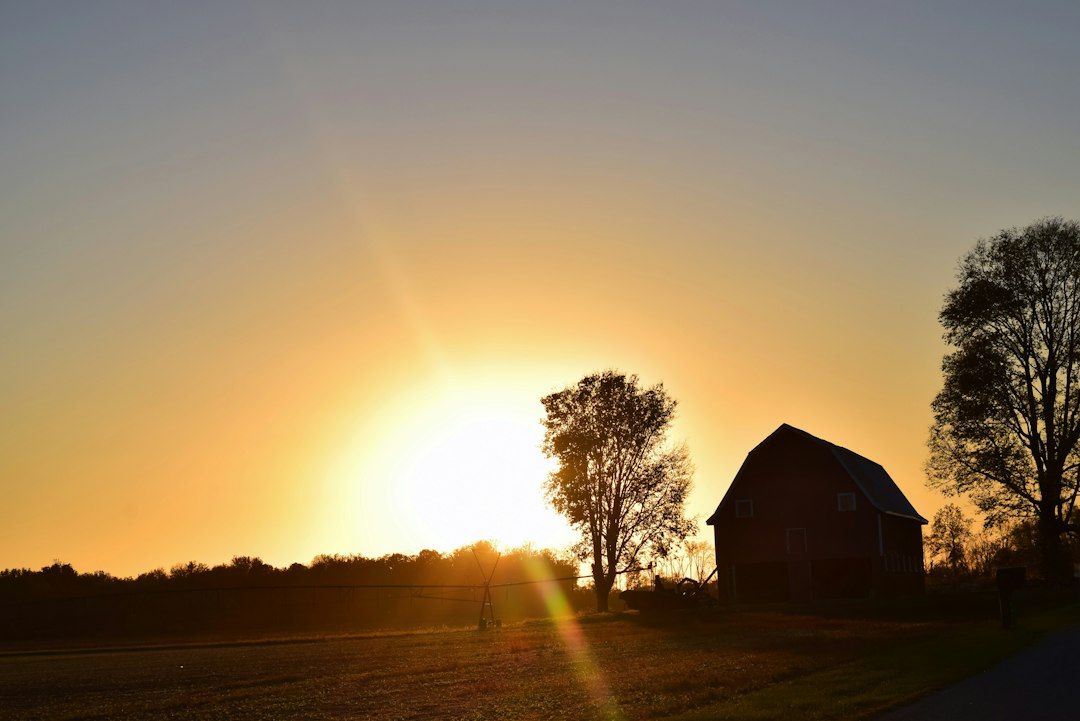
The Heart of the Hoosier State: Protecting Your Rural Roots
Farming is not just a business; it is a demanding way of life that requires early mornings, late nights, and an incredible amount of resilience. According to 2025 data from the USDA, Indiana is home to roughly 51,500 farms spanning approximately 14.5 million acres. Behind those impressive statistics are real families running everything from multi-generational row crop operations to small hobby farms and specialized livestock facilities.
At The Haley Agency, we know that farm insurance in Indiana requires a highly specialized approach. A farm often represents your home, your livelihood, and your legacy all rolled into one single location. Understanding how to properly protect that combined exposure is what separates an adequate insurance policy from a truly resilient safety net. In this guide, we will walk you through the basics of rural property and farm operations coverage, highlighting the nuances that every property owner should consider to keep their operations safe, compliant, and financially secure.
Understanding the Scope of Farm Insurance in Indiana
Farms present a unique challenge for insurance carriers because they constantly blur the lines between personal life and commercial enterprise. A standard homeowners policy is simply not designed to cover commercial farm equipment, livestock, or the specific liability risks of selling produce to the public. Conversely, a standard commercial policy might not properly insure the primary family residence located right in the middle of the property.
Farm insurance was created to bridge this exact gap. It acts as a hybrid policy, protecting your personal residence while also offering the robust commercial coverage needed for agricultural operations. Whether you are seeking basic protection for a small rural acreage or evaluating broader business insurance needs for a large commercial farm, a farm policy can be carefully tailored to fit operations of all sizes and scopes.
As farming evolves, the risks associated with running a rural operation are changing rapidly. Today's policies must account for high-tech equipment breakdowns, volatile weather patterns in the Midwest, and the rising costs of construction materials. From automated irrigation systems and drone-assisted crop monitoring to direct-to-consumer beef sales, modern farming introduces modern risks. Securing a policy that adapts to these changes is critical to keeping your operation financially secure year after year.
Core Components of a Comprehensive Farm Policy
A well-structured farm insurance policy is built on several key pillars, each designed to protect a different facet of your rural property. Understanding how these pieces fit together is the first step in building a resilient risk management plan.
The Farmhouse and Personal Property
Just like any other residence, the primary home on your farm needs robust protection against fire, wind, hail, theft, and other common perils. This portion of the policy functions similarly to a standard residential policy. If you are currently exploring your broader Indiana home insurance options, it is important to know that a farm policy seamlessly integrates dwelling coverage with your agricultural needs. This ensures your family's personal belongings, furniture, and living spaces are fully protected alongside your business assets.
Outbuildings and Farm Structures
Farms rely heavily on their infrastructure. Barns, machine sheds, silos, grain bins, and even extensive fencing are critical to your daily operations. Farm property coverage insures these structures against physical damage.
When insuring farm outbuildings, property owners must choose between Replacement Cost coverage and Actual Cash Value coverage. Replacement Cost pays to rebuild the structure at today's construction prices, while Actual Cash Value factors in depreciation based on the age and condition of the building. Given the sharply rising costs of construction materials and labor, we strongly advise clients to review the replacement cost of these structures regularly. A barn built two decades ago will cost significantly more to replace today, and your coverage limits need to reflect current market realities to avoid out-of-pocket shortages during a rebuild.
Machinery, Tech, and Equipment Breakdown
Tractors, combines, planters, and skid steers represent massive capital investments. Farm equipment coverage protects this machinery whether it is stored safely in a shed, moving between fields, or traveling on a public road. Equipment coverage can typically be structured in two ways: scheduling individual pieces of high-value equipment or utilizing a blanket policy that covers all farm personal property up to a specific total limit.
Physical damage from a collision or fire is only part of the equation. Modern farming is highly reliant on technology and specialized mechanical systems. Equipment breakdown coverage is an essential endorsement. For example, if corn stalks get sucked into an irrigation canal and burn out a pump motor, or if a power surge destroys a refrigeration unit causing valuable dairy or veterinary vaccines to spoil, equipment breakdown coverage can help cover the costly repairs and lost product.
Livestock and Farm Animal Protection
For operations that include cattle, hogs, poultry, or horses, livestock is a primary source of revenue. Farm policies can be customized to include coverage for the death of livestock due to specific perils like fire, lightning, accidental shooting, or collisions while being transported. Specialized operations, such as high-value equine facilities or elite breeding cattle farms, may require even more comprehensive animal mortality policies that cover illness and disease.
Farm Liability Protection
Liability is one of the most critical aspects of farm insurance. If a visitor is injured on your property, or if your livestock escapes an enclosure and causes a traffic accident on a nearby highway, you could be held financially responsible for medical bills, property damage, and legal defense fees. Farm liability insurance covers these specific operational risks. It also extends to products liability, which is absolutely essential if you sell eggs, meat, or produce directly to consumers. A single liability claim can financially devastate an uninsured family farm, making high liability limits a non-negotiable priority.
Navigating Mixed Personal and Business Exposures
One of the most common issues we see in rural property insurance is the "hobby farm" coverage gap. Many people purchase a few acres outside of town, buy a tractor for property maintenance, get a few horses or goats, and start selling extra produce at a local farmers market. Because farming is not their primary source of income, they assume their standard homeowners policy is sufficient.
Unfortunately, standard residential policies often strictly exclude business pursuits. The moment you start generating revenue from your land, you introduce commercial liability risks. Transitioning to a farm or ranch policy ensures that both your personal assets and your small-scale agricultural activities are covered.
The Rise of Agritourism
Another major trend in Indiana agriculture is the rise of agritourism. Many family farms are opening their doors to the public to generate supplementary income. Whether you operate a fall pumpkin patch, a corn maze, a pick-your-own apple orchard, or a renovated barn that serves as a wedding venue, inviting the public onto your property radically alters your risk profile. Standard farm liability policies may not automatically cover these activities. Specialized endorsements or separate commercial liability policies are often required to address the unique risks of hosting large crowds, serving food, and organizing public events.
Managing a Rural Workforce and Commercial Fleet
As your operation grows, your insurance needs will become more complex. If you begin hiring seasonal help for planting or harvest, or employ full-time farmhands, you will need to navigate Indiana workers compensation requirements. Workers compensation provides medical benefits and wage replacement to employees injured on the job, while protecting the farm owner from employee lawsuits.
Similarly, if you own heavy-duty trucks to haul grain, transport livestock, or deliver supplies, you will need to look into specialized coverage. Ensuring your commercial vehicles are fully protected over the road often requires limits and specific coverages that go beyond standard Indiana auto insurance. Proper commercial auto integration ensures that an accident during a grain delivery does not derail your entire season.
The Importance of the Annual Farm Insurance Review
Farms are constantly in a state of flux. Over the course of a single year, you might buy a new skid steer, sell an old combine, construct a new pole barn, or alter your crop rotation entirely. If your insurance policy does not keep up with these continuous changes, you risk severe underinsurance.
We frequently encounter situations where a farmer has added a new outbuilding or upgraded to GPS-guided tractors but forgot to notify their insurance agent. If a severe Midwestern windstorm hits or a fire breaks out, those undocumented additions will not be covered. The financial shock of discovering a critical piece of equipment is absent from your policy is something every property owner should strive to avoid.
An annual insurance review is a straightforward but vital practice. Sitting down with your agent before the spring planting season or after the fall harvest allows you to update your equipment inventory, adjust property valuations, and add or remove liability coverages based on your current operations. Taking thirty minutes to review your policy can save you thousands of dollars and incredible frustration during a complex claim. We recommend creating a simple checklist of new acquisitions, newly leased land, and changes in livestock numbers to bring to your yearly review meeting.
Best Practices for Risk Mitigation on the Farm
Insurance is designed to make you whole after a loss, but the best strategy is always preventing the loss in the first place. Integrating strong risk management practices into your daily routine helps keep insurance premiums manageable and your property safe.
- Maintain Clean Workspaces: Dust accumulation in grain bins and barns is a major fire hazard. Regular cleaning and proper ventilation reduce the risk of spontaneous combustion or rapid fire spread.
- Implement Strict Equipment Maintenance: Regular servicing of tractors and combines prevents mechanical failures that can lead to accidents or field fires. Ensure all machinery is fully shut down and cooled before storing it inside a building.
- Enhance Security and Lighting: Farm theft, particularly of tools and ATVs, is a growing issue in rural areas. Installing motion-sensor lighting, sturdy locks, and security cameras can deter trespassers and protect your assets.
- Secure Fencing and Gates: Routinely inspect perimeter fencing to prevent livestock from wandering onto public roads. The liability implications of a loose cow causing a vehicle collision are severe. By pairing a comprehensive farm insurance policy with diligent day-to-day risk management, you build a fortress of protection around your livelihood.
Preserving Your Farming Legacy
Whether you are managing a large-scale commercial row crop operation or enjoying the quiet life on a small rural acreage, your farm is an ecosystem that requires constant care and protection. Farm insurance is not a one-size-fits-all product. It requires careful customization, a deep understanding of agricultural risks, and an ongoing partnership with an insurance professional who understands your unique situation.
At The Haley Agency, our mission is to educate and empower our clients so they can focus on what they do best: working the land and providing for their families. By taking a proactive approach to your risk management, you can ensure that your rural property and operations remain secure for generations to come.
Contact The Haley Agency
Ready to protect what you’ve built with coverage that actually fits? Contact The Haley Agency today to schedule a personalized policy review for your home, auto, life, or business insurance across Illinois and Indiana. Our team takes pride in offering client-focused service, helping you navigate the complexities of rural property and farm operations with confidence and clarity.
If you are ready to evaluate your current farm coverage or start a new policy from scratch, please fill out our online quote request form. Let us partner with you to build a reliable insurance strategy designed to help you protect what matters most.
By Joshua Haley & Team